Signs Wildlife Has Moved Into Your Attic, Walls, or Crawl Space
If you notice signs wildlife has moved into your attic, walls, or crawl space, local service providers can help remove animals and secure your home.
Discovering signs that wildlife has moved into your attic, walls, or crawl space can be unsettling, but recognizing these indicators is the first step toward addressing the situation. Property owners in the area often notice unusual noises, such as scratching or scurrying sounds, especially during quiet times of the day or night. Other common clues include the presence of droppings, nesting materials, or damage to insulation and structural elements. Understanding these signs helps homeowners determine whether wildlife has taken up residence and highlights the importance of professional assistance to safely and effectively handle the situation.
Local service providers who specialize in wildlife removal are equipped to assess the extent of the intrusion and provide humane, efficient solutions. They can identify entry points, remove the animals, and help prevent future visits, protecting both property and inhabitants. If any of these signs sound familiar, exploring options with experienced wildlife removal contractors can ensure the problem is resolved properly, giving peace of mind and safeguarding the home from ongoing issues. Keep reading to learn more about how experts can help restore comfort and safety to your property.
- Signs wildlife has moved into your attic, walls, or crawl space - homeowners may notice unusual noises or scratching sounds indicating a wildlife presence, and local contractors can assess and address these issues. Signs wildlife has moved into your attic, walls, or crawl space - droppings or nesting materials found in hidden areas often signal an infestation, prompting local service providers to remove the animals safely. Signs wildlife has moved into your attic, walls, or crawl space - foul odors or damaged insulation can point to animal activity, with local pros offering removal and cleanup solutions. Signs wildlife has moved into your attic, walls, or crawl space - visible damage to vents, soffits, or entry points suggests animals are gaining access, and local contractors can help seal entry points to prevent re-entry. Signs wildlife has moved into your attic, walls, or crawl space - if you observe increased pest activity or strange smells, experienced service providers can evaluate and resolve the issue efficiently.
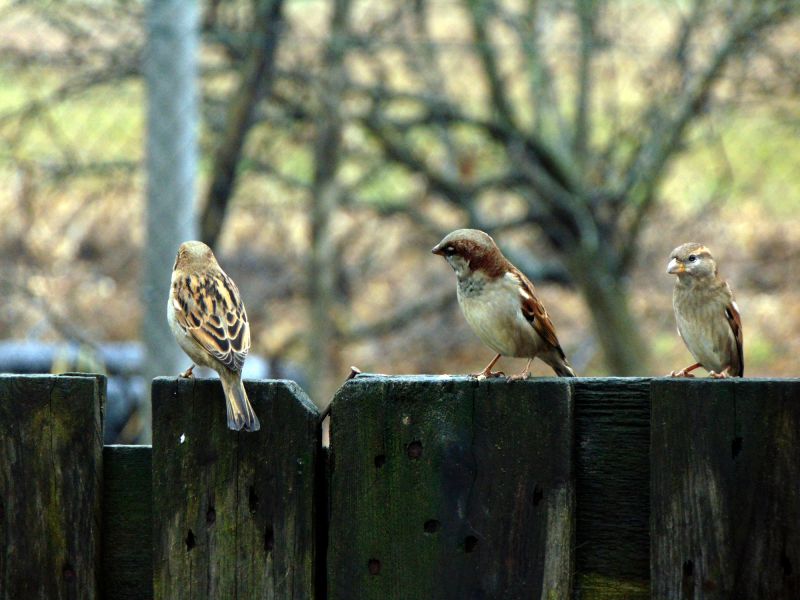
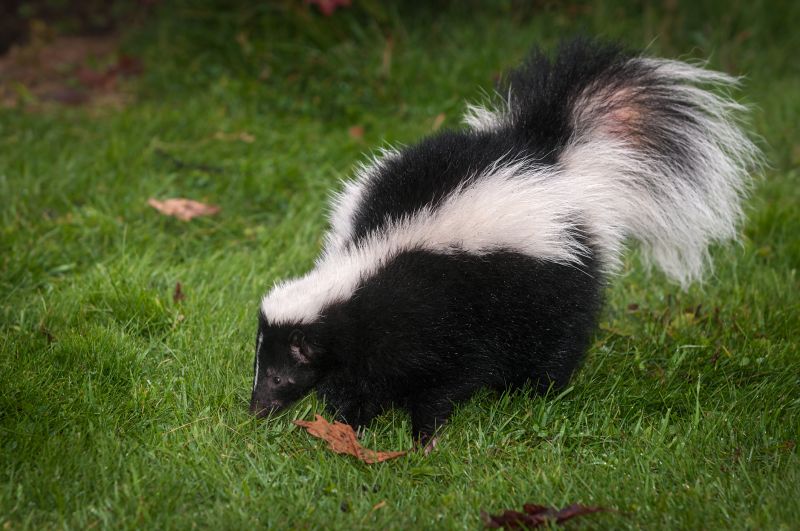
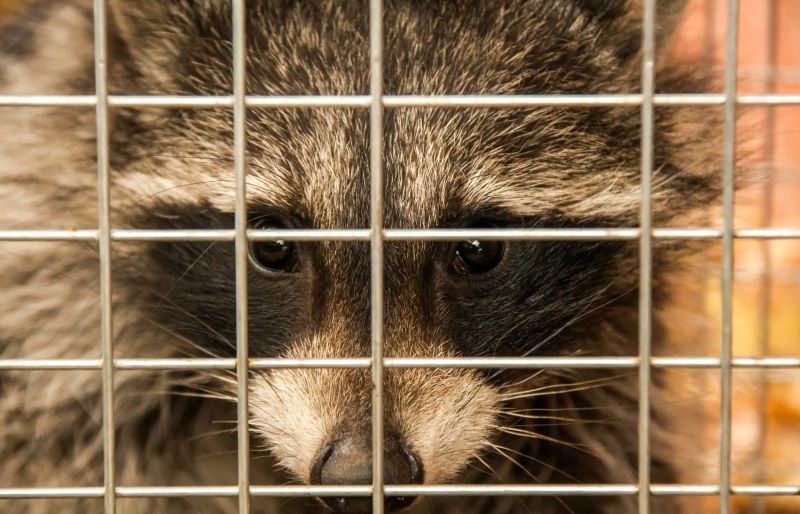
When homeowners notice unusual sounds or disturbances within their homes, they often search for signs wildlife has moved into your attic, walls, or crawl space. These signs typically include scratching or scurrying noises, especially at night, which can indicate animals such as raccoons, squirrels, bats, or rodents have taken up residence. Other common indicators are the presence of droppings, nests made from insulation or debris, or unpleasant odors that suggest animals are living nearby. Recognizing these signs early is important because wildlife in these hidden spaces can cause structural damage, contaminate insulation, or create health risks through parasites and waste.
This issue is closely related to problems like property damage, sanitation concerns, and the need for humane removal. When wildlife moves into these concealed areas, they often create entry points that allow them access, which can lead to ongoing infestations if not addressed promptly. Homeowners may also plan repairs or insulation replacements after wildlife removal to restore the home’s integrity and prevent future invasions. In some cases, the presence of animals in these spaces can impact the safety and comfort of living environments, prompting a need for professional intervention to safely remove the animals and seal entry points.
Properties that typically come up in this context include single-family homes, especially those with attics or basements that have easy access points. Older houses with gaps around vents, chimneys, or rooflines are more vulnerable to wildlife intrusion. Additionally, rural or suburban properties with nearby trees, shrubbery, or water sources tend to attract animals seeking shelter. Commercial buildings or structures with less frequent maintenance can also become targets for wildlife seeking refuge. Recognizing these property types helps homeowners understand the importance of inspections and timely removal to prevent damage and health issues.
Local wildlife removal service providers specialize in addressing signs wildlife has moved into your attic, walls, or crawl space. They perform thorough inspections to identify the species involved and determine entry points. These professionals use humane methods to remove animals safely and then implement exclusion techniques to prevent future invasions. Connecting with experienced local contractors ensures that the removal process is handled efficiently and effectively, helping homeowners protect their property and restore peace of mind. Whether dealing with raccoons, squirrels, bats, or rodents, professional wildlife removal services are equipped to handle the job with care and expertise.
Attic Inspection and Ventilation Projects - These projects involve assessing attic spaces for signs of wildlife entry and ensuring proper ventilation, which can help prevent future infestations and damage.
Wall Repair and Restoration - Repairing and sealing damaged wall areas after wildlife removal requires similar planning and skills to prevent re-entry and restore structural integrity.
Crawl Space Encapsulation - Encapsulation involves sealing crawl spaces to block wildlife access points, making it a related service that addresses signs wildlife has moved in.
Pest Proofing and Sealing - Installing barriers and sealing entry points around a home is essential to wildlife exclusion, a common step after identifying signs of intrusion.
Wildlife Damage Repair - Fixing structural damage caused by animals in attics or walls involves similar techniques and planning to wildlife removal efforts.
Odor and Debris Removal - Cleaning and deodorizing areas affected by wildlife presence require knowledge of sanitation and cleanup, often following wildlife exclusion projects.
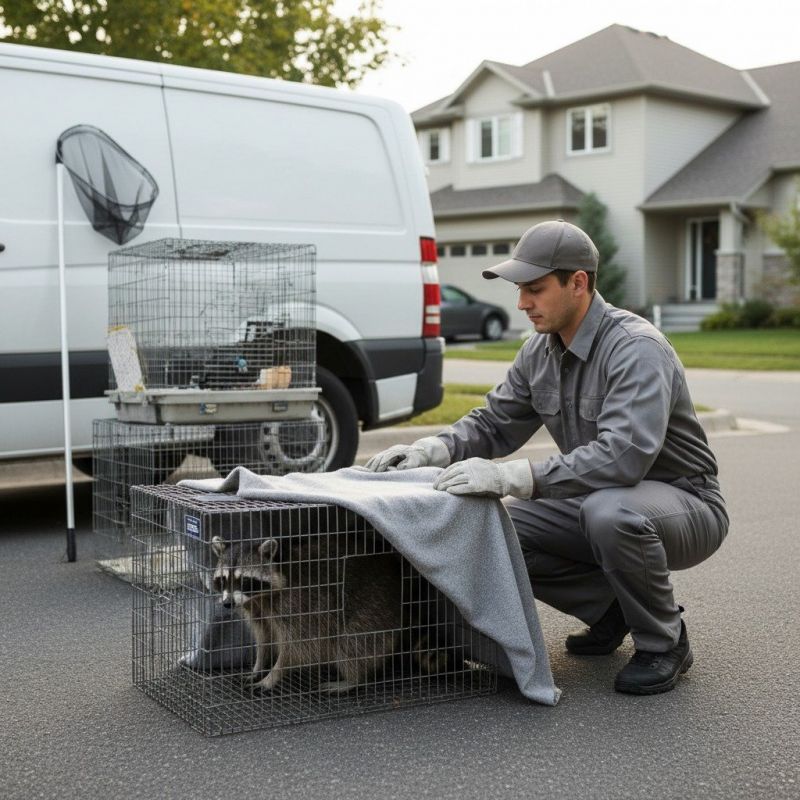
When evaluating wildlife removal services, it is important to consider the experience of local contractors with similar projects. Homeowners should inquire about how long a service provider has been handling wildlife intrusion issues, especially those involving attics, walls, or crawl spaces. An experienced professional will have a better understanding of the common signs wildlife leaves behind and how to address the specific challenges of removing animals from confined or hard-to-reach areas. This familiarity can help ensure that the removal process is handled efficiently and that the integrity of the home is maintained throughout the project.
Clear written expectations are essential when comparing wildlife removal services. Homeowners should seek detailed information about the scope of work, including inspection procedures, removal methods, and any necessary repairs or exclusions to prevent future intrusions. Having a comprehensive outline helps prevent misunderstandings and provides a basis for evaluating the thoroughness of each service provider. It also allows homeowners to assess whether the proposed approach aligns with their concerns about signs wildlife has moved into their attic, walls, or crawl space, and ensures that all aspects of the project are transparently communicated.
Reputable references and good communication are key factors in selecting a reliable wildlife removal service. Homeowners can ask for references or reviews from previous clients who experienced similar wildlife issues. This feedback offers insight into the quality of service and the provider’s ability to handle complex situations. Additionally, responsive and clear communication during the inquiry process can indicate a professional approach and a willingness to address questions or concerns. When service providers are transparent and communicative, homeowners are better equipped to make informed decisions about who will handle the job of removing wildlife from their home.
Property owners often search for signs wildlife has moved into your attic, walls, or crawl space when they are planning practical projects around their homes and businesses. Local pros provide Wildlife Removal services for everyday jobs and straightforward project options.
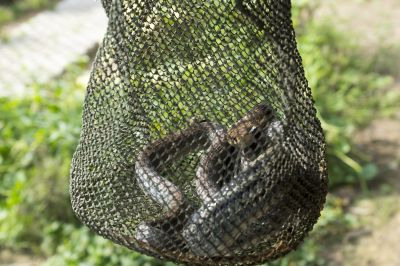
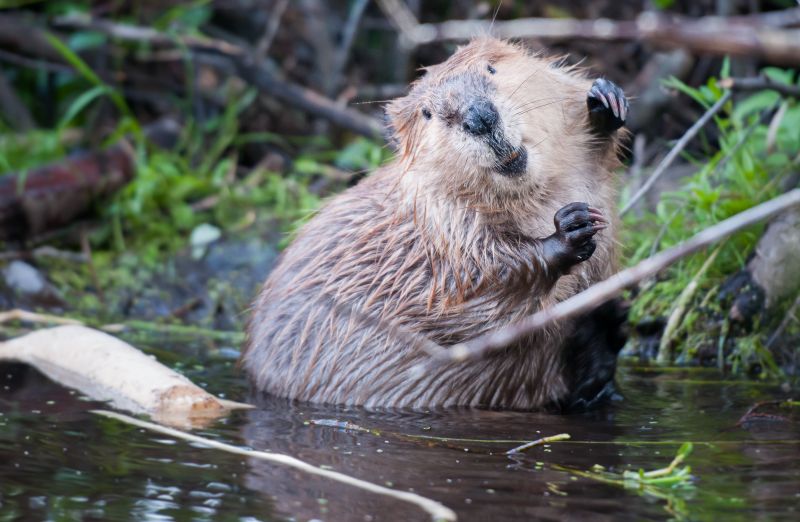
Property owners in the area might start noticing unusual sounds, such as scratching or scurrying noises, coming from their attic, walls, or crawl space. These signs often indicate that wildlife has moved into these hidden spaces, especially during certain seasons when animals seek shelter or nesting sites. Additionally, the presence of droppings, chewed insulation, or damaged wiring can serve as clear indicators that animals like raccoons, squirrels, or bats have taken up residence. Recognizing these signs early can help homeowners determine when it’s time to seek assistance from local contractors experienced in wildlife removal services.
When signs of wildlife presence become evident, many property owners consider reaching out to local service providers who specialize in humane removal and exclusion. These professionals can assess the situation, identify the type of animals involved, and safely remove them from the property. They also offer solutions to prevent future intrusions, helping to protect the home’s structure and maintain a safe, animal-free environment. Connecting with experienced wildlife removal service providers can ensure the problem is addressed effectively and responsibly.
What are common signs wildlife has moved into your attic, walls, or crawl space? Signs include strange noises such as scratching or scurrying, visible droppings, damaged insulation, and unusual odors. If these signs are present, local contractors specializing in wildlife removal can assess the situation.
How can I tell if animals are active inside my walls or attic? You might notice signs like nesting materials, holes or entry points, and increased noise levels during evening or early morning hours. Professional wildlife removal services can confirm and safely address the issue.
What damage might indicate wildlife has taken residence in my home? Damage can include chewed wiring, gnawed wood, torn insulation, and holes in walls or ceilings. Local service providers can evaluate and remove the animals while repairing any damage.
Are there specific sounds that suggest wildlife presence in hidden areas? Yes, sounds such as scratching, squeaking, or scurrying, especially at night, often indicate animals inside walls or ceilings. Wildlife removal experts can pinpoint and resolve these issues.
What should I do if I suspect wildlife has moved into my home? It's recommended to contact local contractors experienced in wildlife removal to inspect the property, identify signs of infestation, and safely remove the animals.
Identify unusual noises - listening for scratching, scurrying, or thumping sounds can help pinpoint areas where wildlife has moved into your attic, walls, or crawl space, prompting a consultation with local contractors.
Inspect for droppings and damage - noticing droppings, chewed wiring, or insulation damage can indicate wildlife presence, encouraging property owners to seek professional removal services.
Look for entry points - discovering holes or gaps around vents, soffits, or foundation walls can reveal how animals are accessing your home, leading to targeted sealing and removal efforts by local experts.
Monitor for odors or mustiness - persistent smells may suggest wildlife nesting or decay inside walls or attics, prompting property owners to engage wildlife removal specialists for safe cleanup and exclusion.
If you are thinking about signs wildlife has moved into your attic, walls, or crawl space for a property, this guide is meant to help you understand this topic, the typical project types, and how different options might fit your plans.
When you are ready, you can use the quote form on this page to share a few details about your project. From there, local pros can review the basics and follow up with options that match what you have in mind.