When DIY Wildlife Removal Becomes Risky and Professional Help Is Needed
When DIY wildlife removal becomes risky and professional help is needed, local service providers can safely and effectively handle the job to prevent harm and further issues.
Property owners in the area often face the challenge of dealing with unwelcome wildlife intrusions, and knowing when DIY wildlife removal becomes risky and professional help is needed is essential for safety and property integrity. Attempting to handle these situations without proper experience can lead to injury, further property damage, or the spread of pests and diseases. Local contractors specializing in wildlife removal are equipped with the knowledge and tools to address these concerns effectively, ensuring the problem is resolved safely and thoroughly. Continuing to read can help identify common signs that indicate when professional intervention is the best course of action.
Understanding the limits of DIY wildlife removal is crucial, especially when the situation involves larger animals, difficult-to-access areas, or signs of extensive infestation. While some property owners may initially consider a do-it-yourself approach, certain circumstances require the expertise of local service providers who can manage the risks involved. These professionals not only remove the animals but also help prevent future issues by sealing entry points and advising on proper cleanup. Exploring this topic further can provide practical insights into recognizing when professional assistance is the safest and most effective option for wildlife concerns.
- Attic wildlife removal - when wildlife has nested in an attic and DIY methods risk damaging insulation or creating escape routes, local contractors can safely remove animals and seal entry points.
- Bat exclusion services - if bats are roosting in eaves or walls, professional exclusion prevents illegal entry and handles delicate removal that DIY attempts may not address properly.
- Skunk removal - when skunks are under decks or porches, local pros use humane techniques to remove animals without risking bites or property damage from untrained efforts.
- Bird nest removal - if nesting birds are causing issues near vents or chimneys, professionals can safely and legally remove nests and prevent future problems.
- Rodent proofing - when rodents have infiltrated a property, local service providers implement comprehensive exclusion strategies that go beyond simple traps to ensure long-term protection.
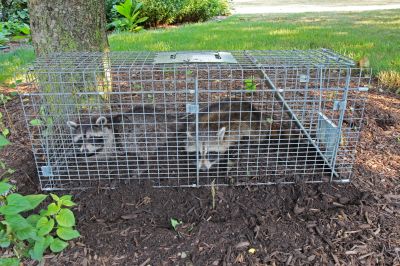
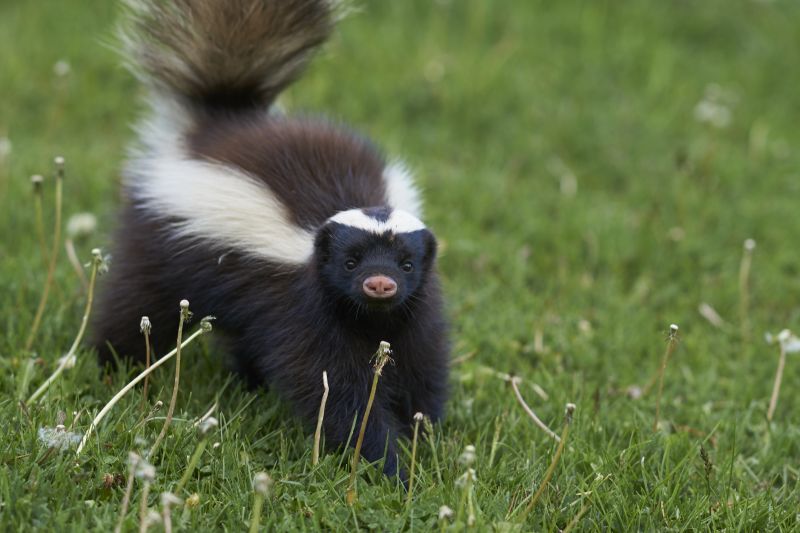
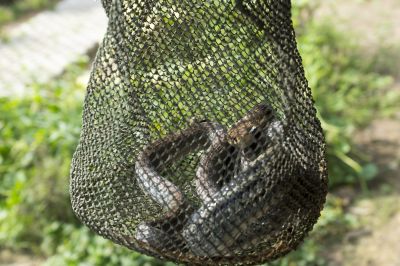
When homeowners search for information about when DIY wildlife removal becomes risky and professional help is needed, they are often trying to determine whether a wildlife issue can be addressed on their own or if it requires expert intervention. Many people encounter situations where animals have taken up residence in their attics, walls, or yards, and initially consider removal as a manageable project. However, concerns about safety, animal behavior, and property damage frequently arise, prompting questions about the limits of DIY efforts. This topic typically relates to plans involving animal exclusion, nest removal, or cleanup after wildlife intrusion, especially when the problem persists or worsens despite initial attempts. Understanding the risks involved helps homeowners recognize when the complexity of wildlife removal exceeds basic DIY skills and when professional service providers should be engaged.
The problems associated with attempting DIY wildlife removal often involve more than just removing animals from a property. Homeowners may face challenges like animal injuries, bites, or exposure to diseases carried by wildlife, which can pose health risks. Additionally, improper removal methods can lead to animals returning or causing further damage, such as chewed wiring, compromised insulation, or structural harm. These issues are common in properties with attics, crawl spaces, or wall voids, where wildlife like raccoons, squirrels, bats, or birds tend to nest or roost. Plans to handle these situations independently may seem straightforward at first, but the complexity of safely and permanently resolving wildlife problems often requires the expertise and equipment that local service providers possess.
Properties most frequently involved in wildlife removal projects are residential homes, especially those with attic spaces or accessible roof areas. Older houses with gaps, vents, or damaged soffits provide easy entry points for animals seeking shelter. Rural or semi-rural properties, such as farms or cabins, also tend to encounter wildlife intrusions due to their proximity to natural habitats. In urban environments, wildlife can invade through small openings or poorly sealed windows, making even city homes susceptible. Homeowners working on DIY projects might underestimate the difficulty of sealing entry points or removing animals safely, which can lead to unintended consequences. This highlights the importance of understanding when professional help from local contractors is necessary to ensure the problem is handled effectively and safely.
Recognizing when DIY wildlife removal becomes risky is essential for protecting both property and personal safety. While minor issues like removing a single bird’s nest or sealing small entry points may be manageable, larger or more entrenched problems often demand professional expertise. Wildlife removal service providers are equipped to handle complex situations involving aggressive animals, large infestations, or animals that have caused structural damage. They also understand the importance of humane practices and proper exclusion techniques to prevent future intrusions. For homeowners facing persistent wildlife issues or uncertain about the safest approach, consulting with local service providers can ensure the problem is resolved thoroughly, reducing the risk of injury, property damage, or recurring wildlife conflicts.
Attic Insulation Installation - Proper insulation work requires careful planning and safety measures similar to wildlife removal, especially when dealing with animals that may have nested in the space.
Bird Control Services - Managing bird populations around homes involves understanding their behaviors and implementing humane exclusion methods, akin to wildlife removal techniques.
Rodent Proofing - Sealing entry points and removing nests demand precise planning and tools, paralleling the skills needed for safe wildlife exclusion.
Pest Exclusion Services - Installing barriers and deterrents requires knowledge of animal habits and safety protocols similar to those in wildlife removal.
Home Damage Repairs - Fixing damage caused by animals involves assessing structural issues and using specialized tools, aligning with the skills used in wildlife removal.
Animal Trap Setting - Setting humane traps involves understanding animal behavior and safety precautions, which are also essential in wildlife removal projects.
When evaluating wildlife removal services, it’s important for homeowners to consider the experience of the service providers with similar projects. Local contractors who have handled wildlife issues comparable to the current situation are more likely to understand the nuances involved and deliver effective solutions. A history of successfully managing wildlife conflicts can provide confidence that the contractor is familiar with the types of animals involved, the appropriate removal techniques, and the potential challenges that may arise during the process.
Clear written expectations are essential when choosing a wildlife removal service. Homeowners should seek providers who offer detailed descriptions of the scope of work, the methods they will use, and any guarantees or follow-up procedures. Having this information in writing helps ensure that both parties share a common understanding of what the project entails, reducing the risk of misunderstandings or unmet expectations. It also provides a reference point in case questions or concerns emerge during or after the work is completed.
Reputable references and effective communication are key indicators of a trustworthy service provider. Homeowners can ask for references or reviews from previous clients to gain insights into the contractor’s professionalism, reliability, and quality of work. Good communication throughout the process-such as prompt responses to inquiries and transparent explanations of procedures-can help homeowners feel more confident in the choice of a service provider. These factors contribute to a smoother experience, especially when addressing wildlife issues that may involve sensitive or complex situations where professional intervention is advisable.
Property owners often search for when DIY wildlife removal becomes risky and professional help is needed when they are planning practical projects around their homes and businesses. Local pros provide Wildlife Removal services for everyday jobs and straightforward project options.
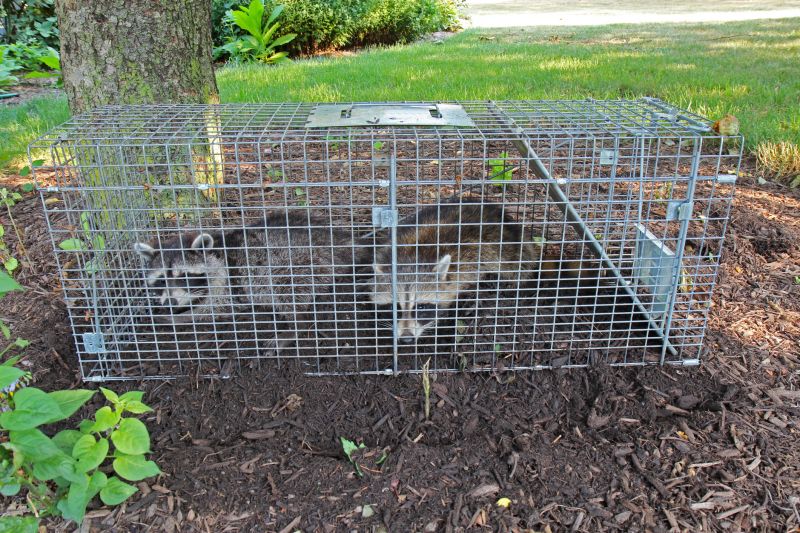
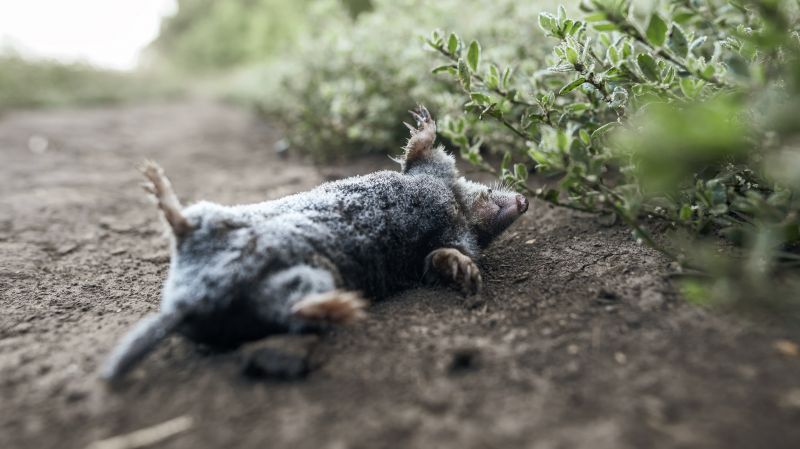
Many property owners in the area turn to DIY wildlife removal when they notice animals like raccoons, squirrels, or bats in their homes or yards. While some minor encounters might seem manageable, attempting to handle wildlife issues without professional assistance can quickly become risky. For example, trying to trap or remove animals without proper knowledge can lead to injuries, animal escape, or unintentional damage to property. These everyday situations often motivate residents to seek help from local contractors who specialize in humane and effective wildlife removal.
Situations that involve animals in hard-to-reach places, signs of potential disease transmission, or animals that appear aggressive are common reasons property owners consider professional wildlife removal services. Engaging with local service providers ensures that the problem is addressed safely and thoroughly, especially when DIY efforts might worsen the situation or pose health risks. Local pros have the experience and tools to handle complex cases properly, making them a trusted resource when DIY wildlife removal becomes risky and professional help is needed.
When is DIY wildlife removal too risky? DIY wildlife removal becomes too risky when animals are difficult to access, or if there is a risk of injury or disease transmission, making professional help advisable from local contractors experienced in humane and safe removal methods.
What signs indicate that professional wildlife removal is needed? Signs include persistent animal activity despite DIY efforts, animals nesting inside walls or attics, or if animals appear aggressive or are found in hard-to-reach areas, indicating that local contractors should handle the situation.
Why should I avoid attempting wildlife removal in certain situations? Attempting removal without proper knowledge can lead to animal escape, property damage, or exposure to health risks, which is why local service providers are better equipped to handle complex or hazardous cases.
When might DIY wildlife removal cause more problems? DIY efforts can cause more problems when animals are injured or trapped improperly, leading to death or disease spread, or when animals return due to incomplete removal, highlighting the need for professional intervention.
How do I know if a wildlife problem requires professional help? If wildlife activity persists after initial attempts, or if the situation involves large or aggressive animals, it is advisable to seek assistance from local contractors who specialize in safe and effective wildlife removal services.
Assessing wildlife entry points - Property owners can identify potential entry points that may require professional sealing to prevent future invasions.
Handling aggressive or large wildlife - When animals pose a threat or are difficult to remove safely, local contractors can provide specialized removal services.
Dealing with nesting or offspring - If wildlife has established nests or is caring for young, professional removal ensures humane and safe eviction strategies.
Addressing structural damage caused by wildlife - When animals have caused significant property damage, expert repairs are necessary to restore safety and prevent re-entry.
If you are thinking about when DIY wildlife removal becomes risky and professional help is needed for a property, this guide is meant to help you understand this topic, the typical project types, and how different options might fit your plans.
When you are ready, you can use the quote form on this page to share a few details about your project. From there, local pros can review the basics and follow up with options that match what you have in mind.